Hucu

Product Design
Don't make my life harder!
An almost universal feedback from healthcare workers is that they don't care about your software. Clinicians really care about treating patients. This makes them the toughest market segment to cater and stakes have always been high since Hucu is a collaboration app that connects case managers, physicians, nursing staff.., patients and their families together.
My Contributions
When I joined the company Hucu already had a well thought out plan for the product and strong brand foundation set by the previous design team. But I was their first full-time product designer. This gave me the opportunity to get integrated well with the dev and marketing team and create a design culture that is future proof.
A Tokenised Design System
A complex system to make the processes simple
Having a UI Kit is a good starting point for any startup but eventually you are required a design system as you start scaling. I created a design system out of the UI Kit and to further future proof it I made it tokenised and collaborated with developers to update their codebase to use those tokens and components. The design and development phase, even though not using the same communication language still should see eye to eye with each other, and this approach helped.
Every component have a meaningful color token instead of hex code or even color palette style. Also they have well defined variants. Sounds overkill? What if I tell you that you can turn it into dark mode or have enhanced accessibility into few clicks of button. And for the devs all they have to do is call the JSON file.
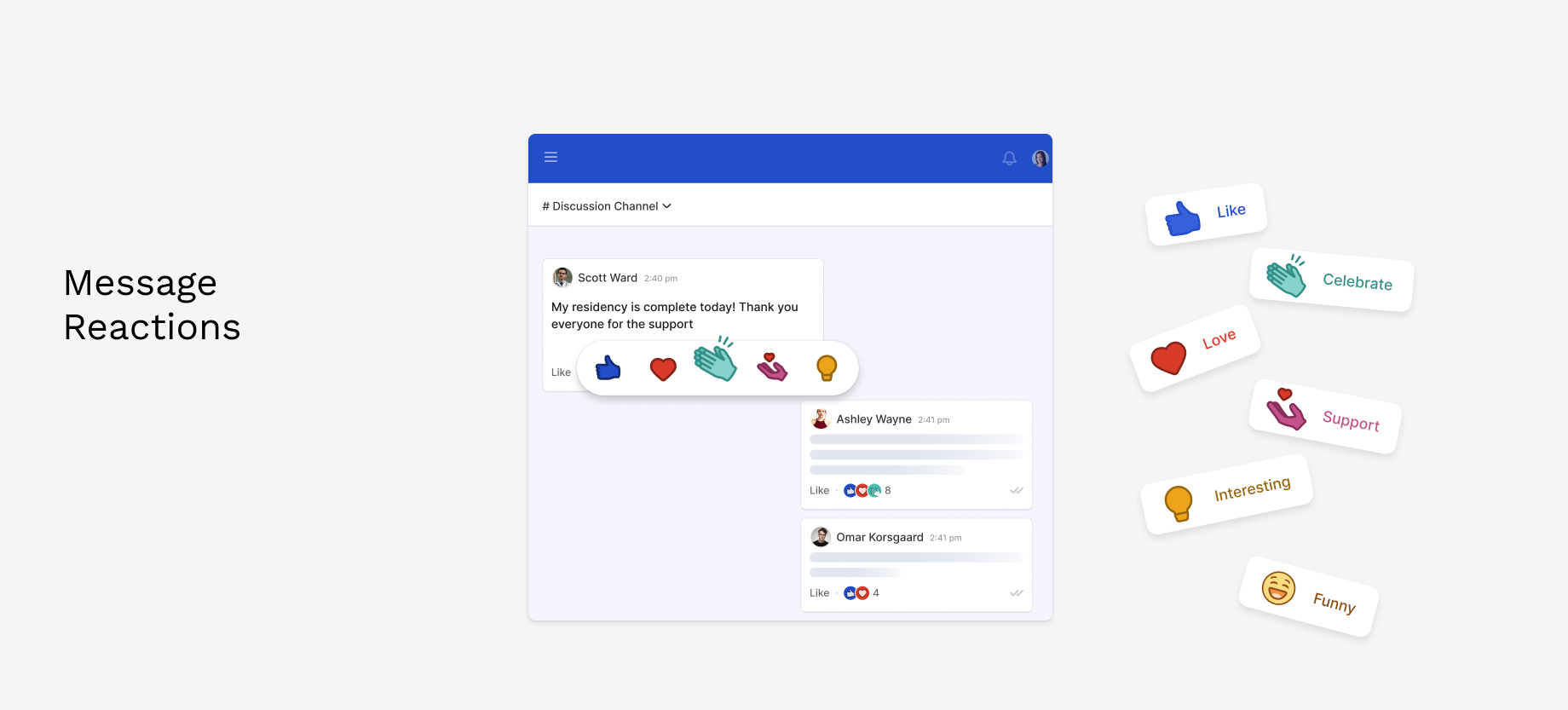
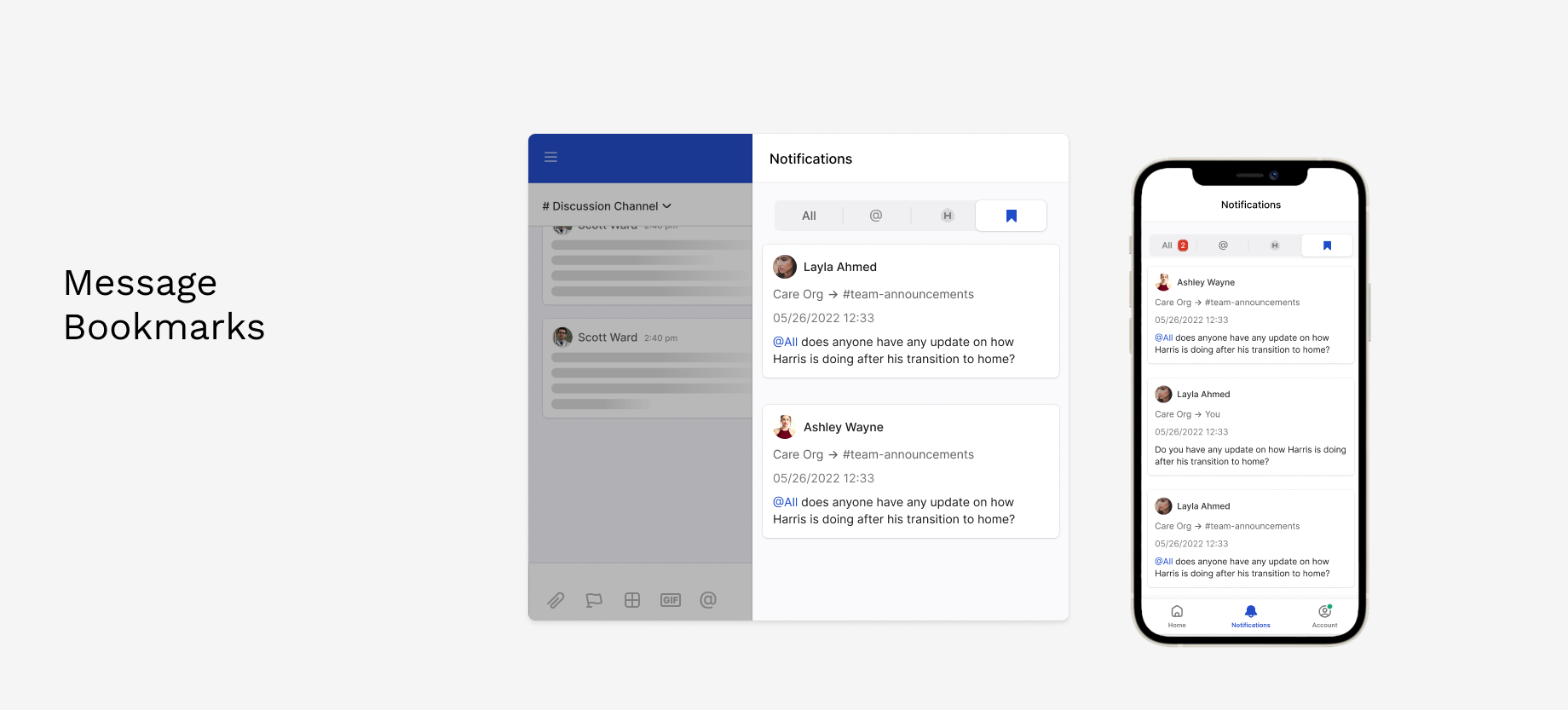
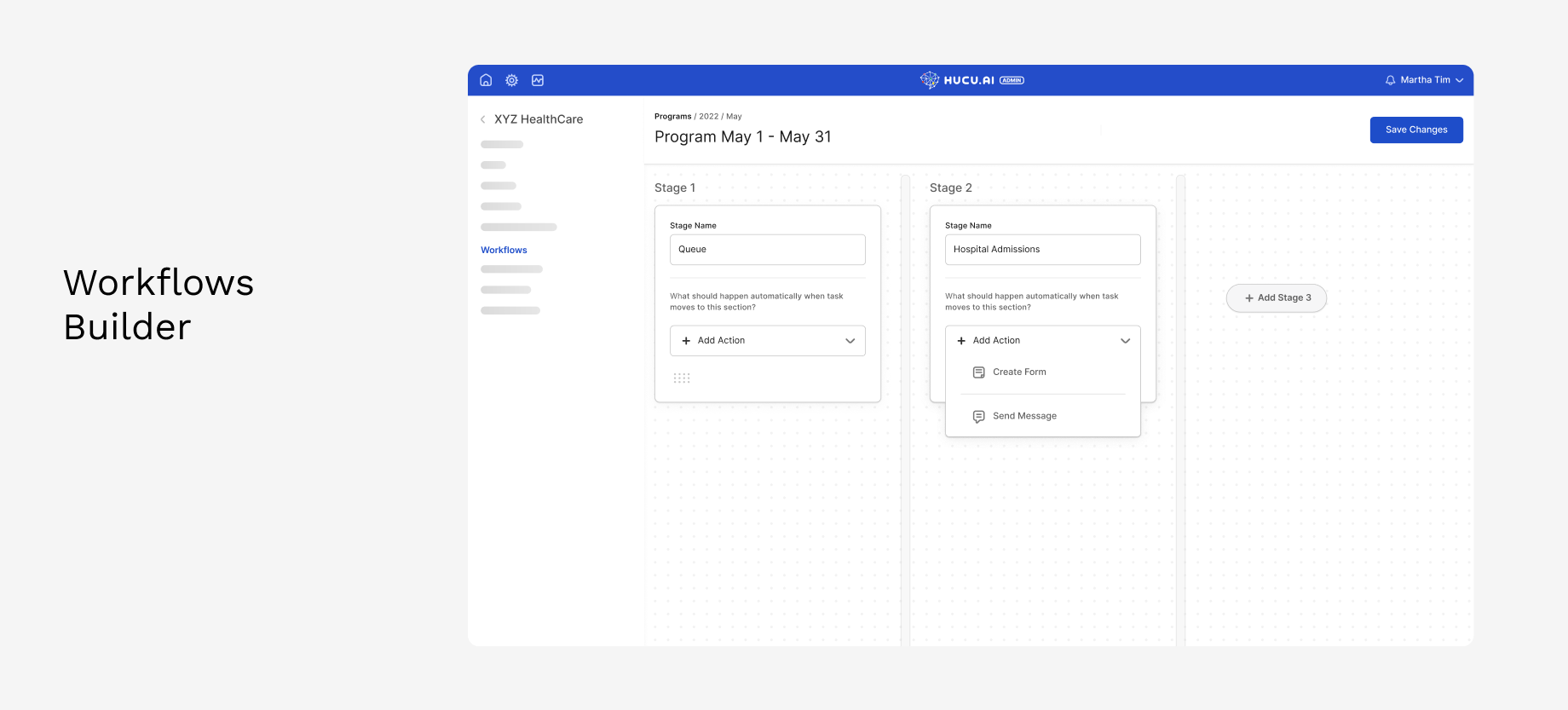
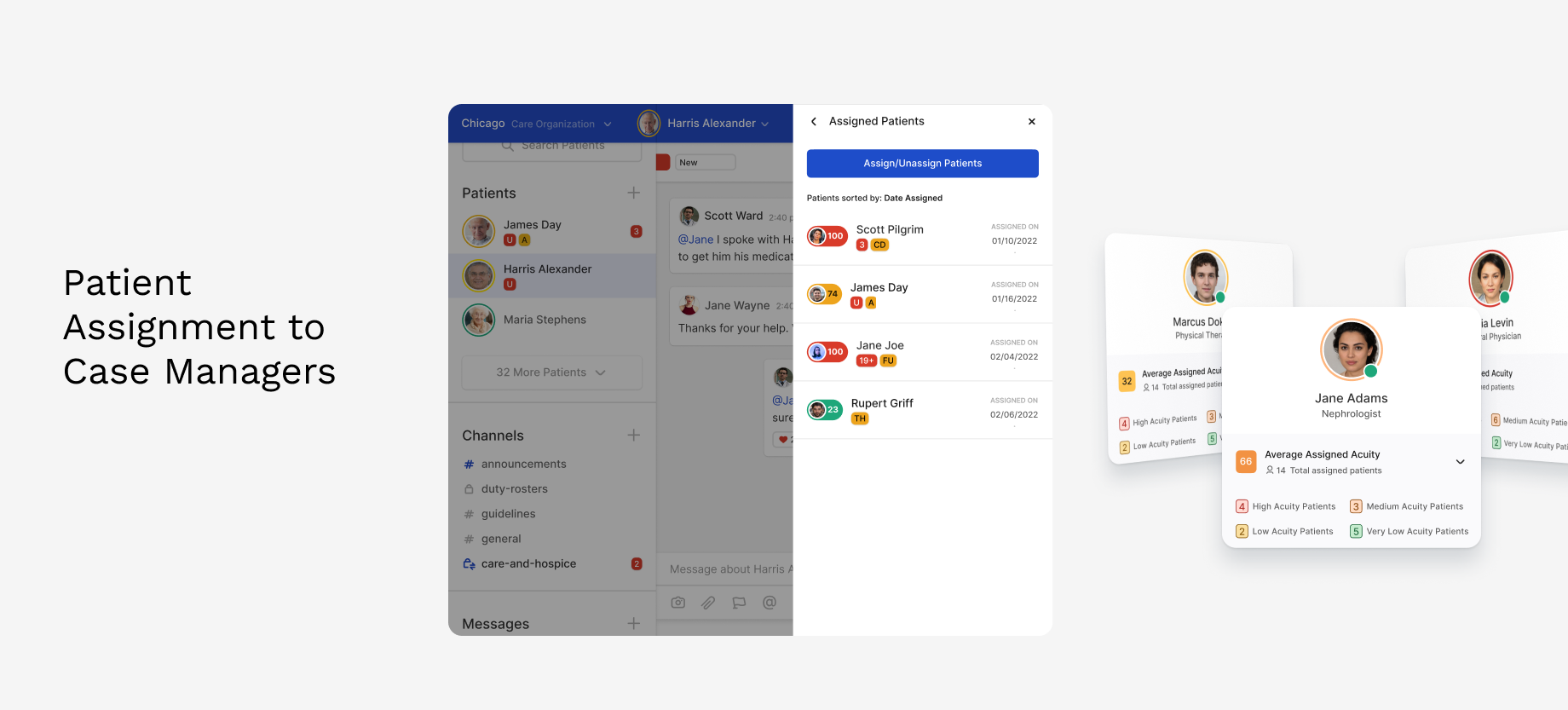
Some UI showcase
My typical workflow
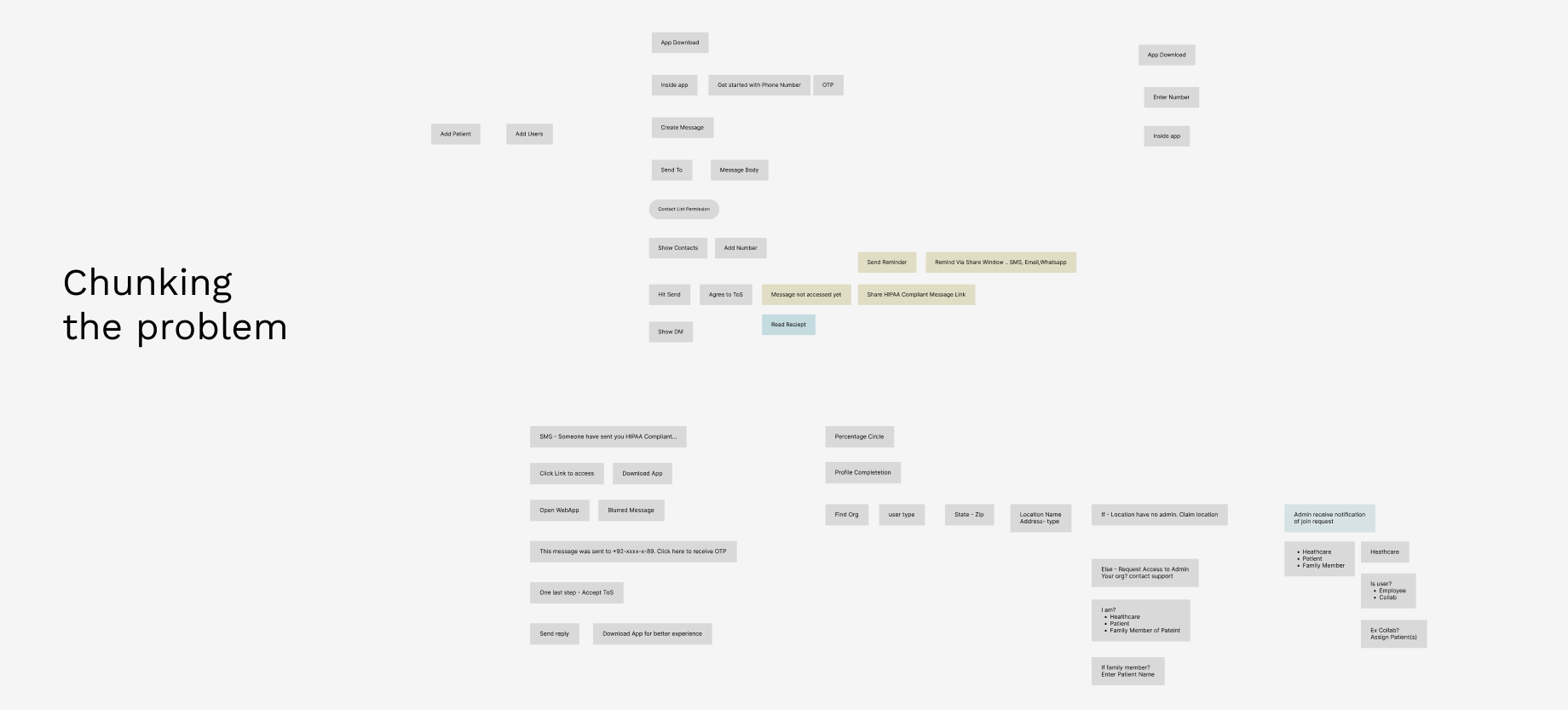
After asking some whys in the requirement phase and resisting the urge to jump in the solution space. I try to ponder over the problem as I heard somewhere in twitter that goes something like that the answer to the problem is in the problem itself. In the design phase I try to implement system design philosophies by chunking the problem and modelling it into block diagram.
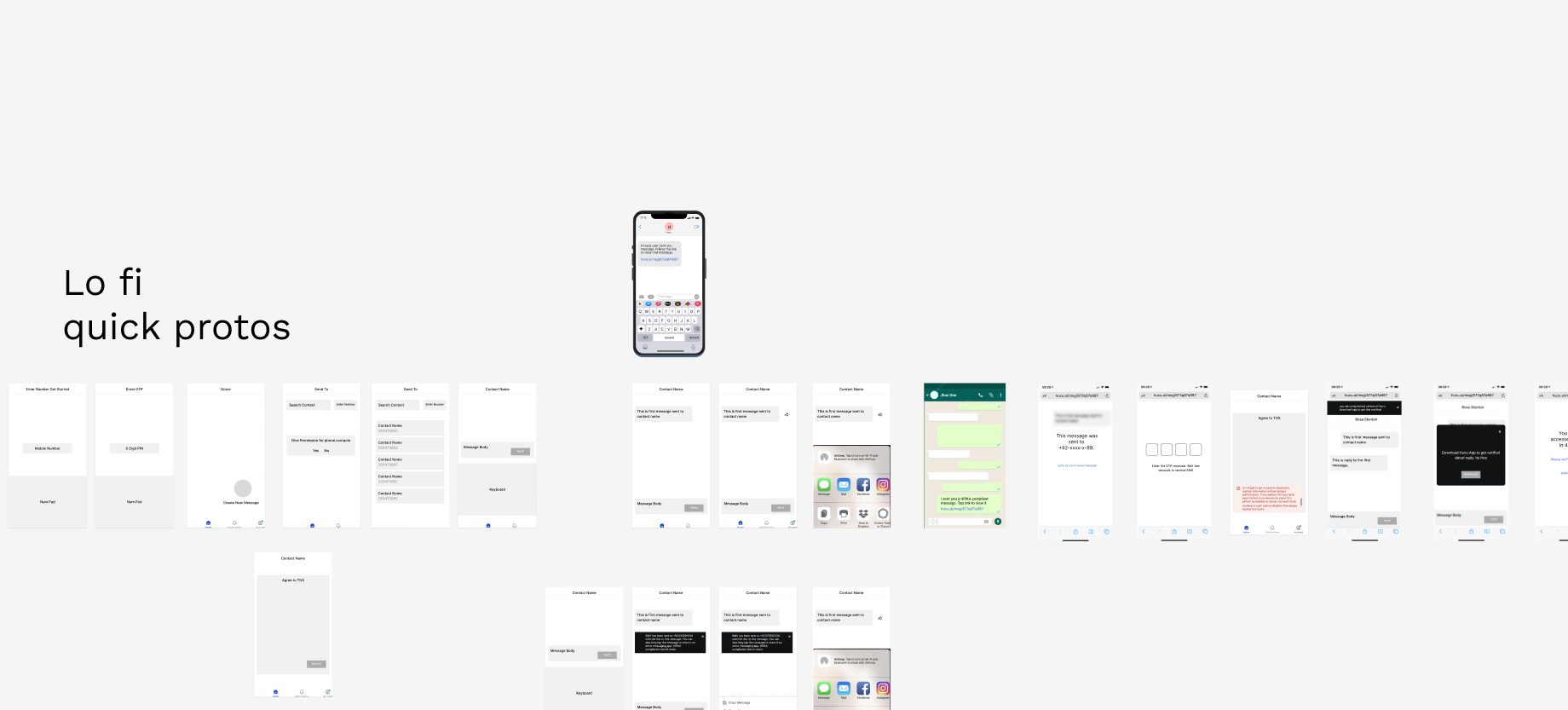
Low fidelity prototypes help catching the problems in the earlier stages, and it's detailed just enough to present the stakeholders.
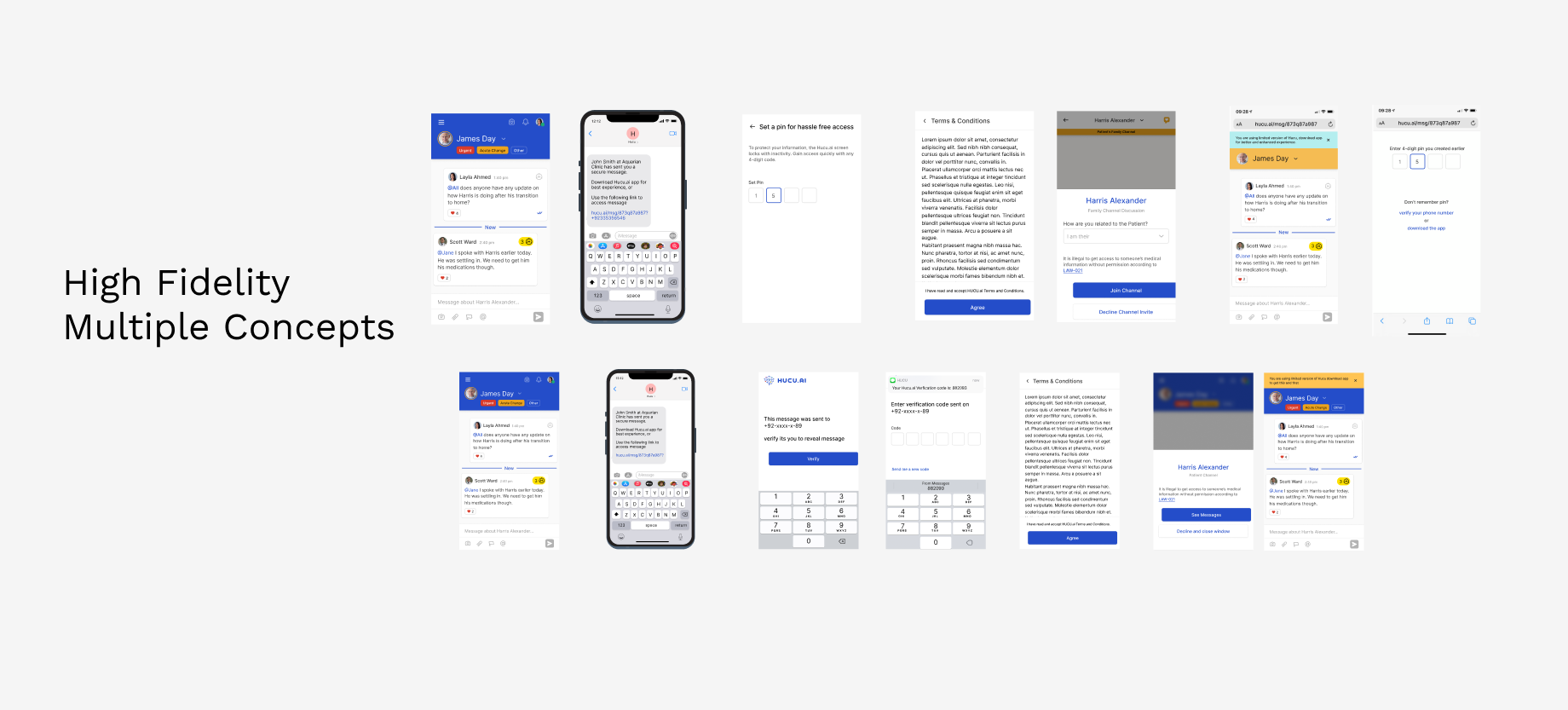
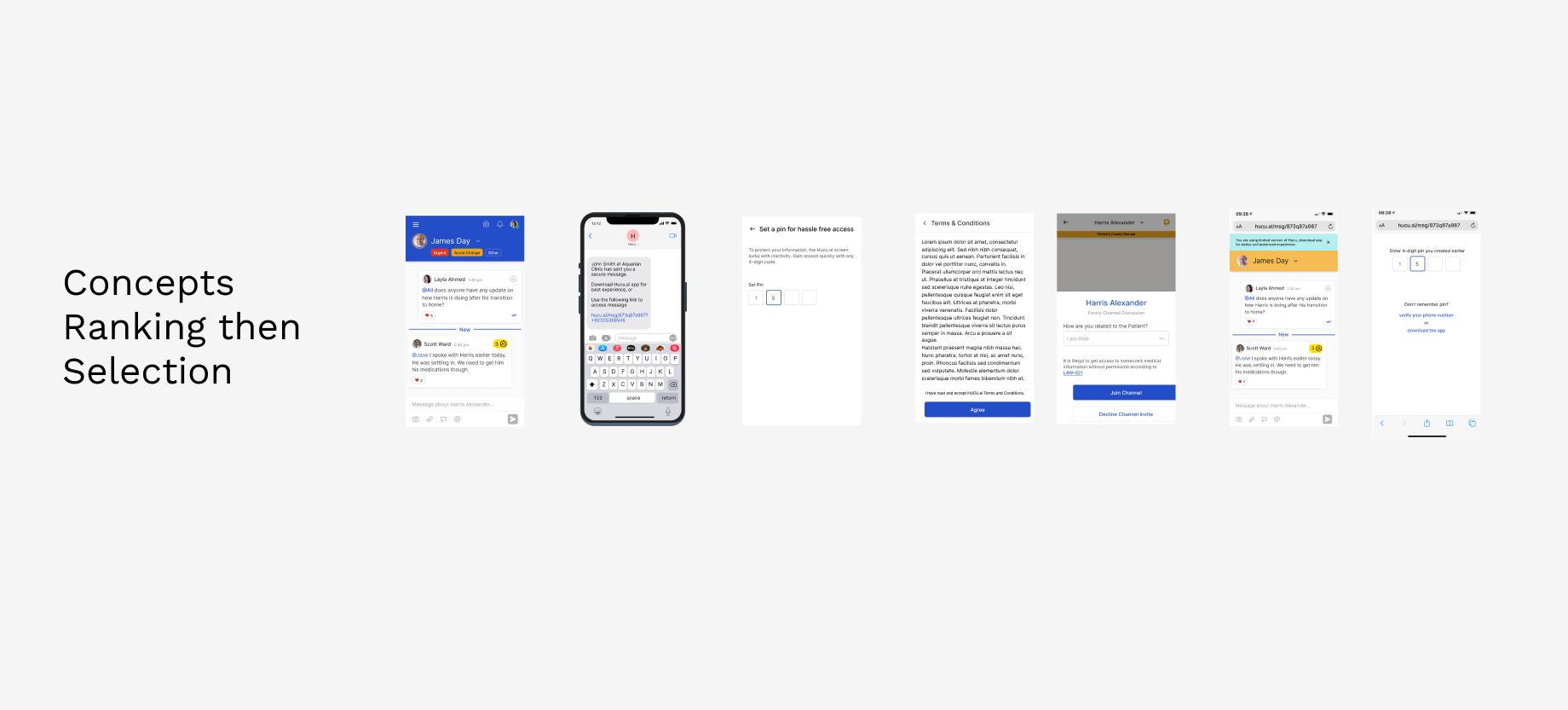
The thing about UI is that a solution can be visualised in multiple ways. Concept exploration often bring more optimal designs. While designing multiple concepts I try to simulate multiple frames of references. Some frames are through the lens of engineering where development and performance cost is priority. Some can be own personal and emotional biases, some inspiration from other products. In later phase the winning concepts can be selected and mixed together to make even more optimal solution.
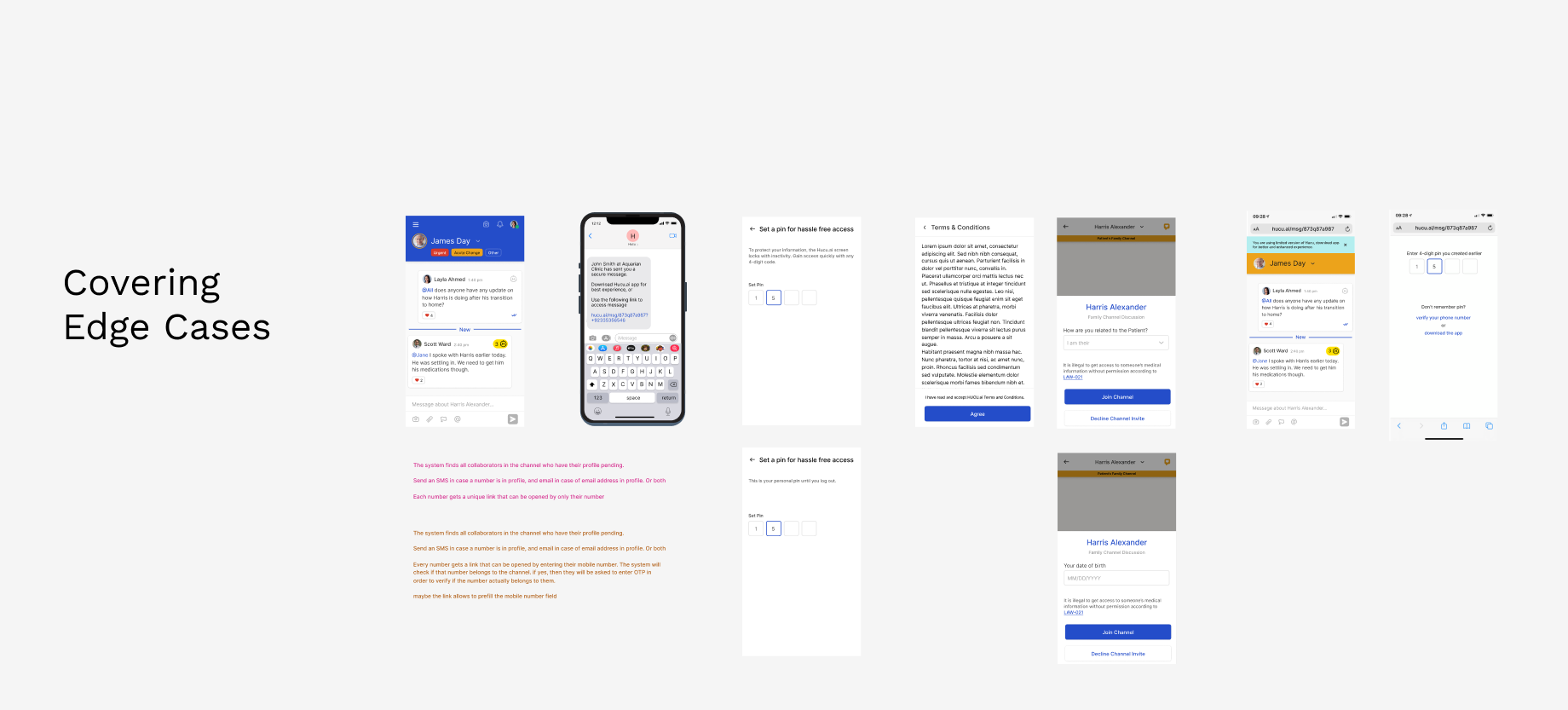
Before handoff to developers its always nice to prepare the edge cases and the empty states beforehand. Prototyping the interactions and adding documentations removes the guess work for devs.